
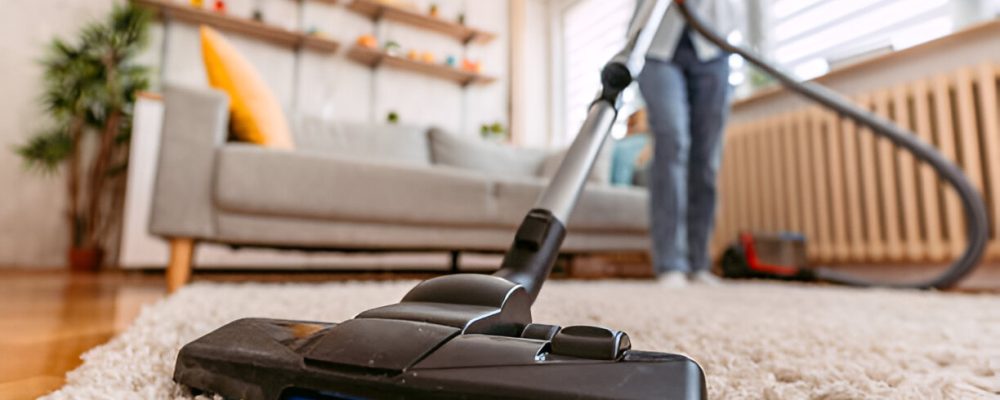
A few years ago, a family in North Phoenix noticed their living room carpet, once soft and inviting, had become dull, stiff, and faintly musty. Despite regular vacuuming and rented machines, stains resurfaced, fibers felt rough underfoot, and odors lingered. Their DIY efforts simply couldn’t reach the deep grime hidden in the padding and fibers.
The moment they realized that true cleanliness runs deeper than the surface changed everything. Professional Carpet Cleaning follows a structured Carpet Cleaning Process designed to reach these hidden layers, restore softness and freshness, and remove stubborn dirt that DIY methods cannot handle. If your carpet still feels dirty after vacuuming, it’s a sign you need a professional deep clean today.
Using expert Carpet Cleaning Methods, professional Carpet Cleaning Services remove dirt, allergens, and odors while protecting your carpet investment. In this detailed guide, you will learn how professionals transform carpets step by step, explore advanced cleaning techniques, and get actionable tips to maintain carpets between visits. Real-life examples demonstrate why professional care consistently outperforms DIY approaches.
How Professional Carpet Cleaning Services Work Step by Step
Professional Carpet Cleaning follows a structured Carpet Cleaning Process designed for maximum results. Each step targets specific layers of dirt, fibers, and stains, helping homeowners understand why professional care is a worthwhile investment.
Step 1: Comprehensive Inspection and Carpet Evaluation
The first step is a detailed assessment of your carpet. Technicians check:
- Fiber Type and Age: Some carpets are delicate or made of natural fibers requiring gentle cleaning.
- Padding and Backing: Moisture-sensitive padding may need low-moisture techniques to prevent damage.
- Traffic Patterns: Entryways and hallways accumulate more dirt and wear.
- Stain Types and Locations: Different stains react differently to treatments. Coffee, wine, mud, ink, and oils each require specific solutions.
- Previous Treatments: Residue from rented machines or DIY cleaners can affect results.
This inspection confirms the safest, most effective cleaning method is selected, preventing damage while achieving optimal cleanliness. It also allows technicians to create a customized cleaning plan that targets problem areas without compromising overall carpet health.
Step 2: Advanced Pre-Treatment for Soil Breakdown
Pre-treatment is critical for loosening trapped soil before extraction. A professional applies eco-friendly chemical solutions designed to:
- Break down grease, oil, and debris embedded in fibers.
- Prepare heavily soiled areas such as living rooms, hallways, and under furniture.
- Minimize fiber damage while softening dirt for easier extraction.
This step confirms that the dirt lifted during hot water extraction or other methods does not just spread around or remain partially in the carpet. Pre-treatment also addresses odors at the source, starting the deodorizing process before extraction begins.
Step 3: Hot Water Extraction with High-Powered Equipment
Hot water extraction, often referred to as steam cleaning, is the heart of professional carpet cleaning. The process involves:
- Applying heated water mixed with professional cleaning solutions deep into carpet fibers.
- Loosening soil, bacteria, allergens, and other contaminants trapped beneath the surface.
- Using commercial-grade machines with high-powered suction to pull out dirt and most of the moisture immediately, leaving carpets slightly damp instead of soaking wet.
This method penetrates areas that DIY machines cannot reach, ensuring a deeper clean. The heat not only loosens particles but also sanitizes the carpet, making it safer for children and pets.
Step 4: Advanced Spot Treatment for Persistent Stains
Despite thorough pre-treatment and extraction, some stains need focused care. Professionals:
- Identify stain types and apply specific chemical solutions designed for that substance.
- Treat stubborn spots like wine, coffee, mud, pet accidents, ink, or oils without over-wetting.
- Use techniques like blotting, brushing, and controlled agitation to lift stains gently.
Spot treatment confirms carpets look uniform and prevents problem areas from remaining visible, which is often a limitation of DIY cleaning methods.
Step 5: Carpet Grooming and Drying for a Smooth Finish
After extraction and stain treatment, grooming aligns fibers to restore softness and prevent matting. Additional steps include:
- Using air movers or fans to accelerate drying, especially in high-traffic areas.
- Fluffing fibers to restore texture and appearance.
- Ensuring no moisture remains trapped in the padding, which can cause mold or odors.
Professional Carpet Cleaning Methods
Hot Water Extraction (Steam Cleaning)
Hot water extraction is often referred to as steam cleaning and is considered the gold standard for deep carpet cleaning services. In this method, hot water mixed with professional-grade cleaning solutions is injected into the carpet fibers under high pressure. The heat loosens dirt, oils, bacteria, and allergens embedded deep in the carpet and padding. After the solution penetrates the fibers, a high-powered extraction machine removes both the water and dissolved debris, leaving the carpet only slightly damp.
What We Do:
- Inspect heavily soiled areas and high-traffic zones.
- Apply hot water with a cleaning solution for deep penetration.
- Use commercial extraction equipment to pull out dirt, moisture, and allergens.
- Repeat in areas with set-in stains to confirm complete cleaning.
Benefits:
- Removes deeply embedded soil and allergens.
- Sanitizes fibers with hot water.
- Reduces odor and prevents bacterial growth.
- Restores carpet softness and appearance.
Low Moisture Cleaning
Low moisture cleaning is ideal for delicate carpets or situations where quick drying is essential, such as commercial spaces or offices. In this technique, a minimal amount of water combined with cleaning solutions is applied, and specialized equipment helps distribute it evenly without soaking the fibers. Dirt is then encapsulated and vacuumed away.
What We Do:
- Pre-treat the carpet with eco-friendly solutions to loosen dirt.
- Apply a moisture cleaning solution evenly across the surface.
- Use rotary machines or specialized pads to work the solution into fibers.
- Vacuum the encapsulated dirt once dry.
Benefits:
- Carpets dry faster than traditional methods.
- Minimizes risk of fiber shrinkage or padding damage.
- Leaves no sticky residue, maintaining softness.
- Suitable for high-traffic commercial or residential areas where downtime must be short.
Encapsulation Cleaning
Encapsulation cleaning is primarily used for Deep Carpet Cleaning. This method involves applying a cleaning solution that surrounds dirt particles, forming microscopic crystals. Once dried, these crystals are vacuumed, removing the trapped soil from the carpet.
What We Do:
- Apply the encapsulation solution across the carpet.
- Work the solution into fibers using specialized equipment.
- Allow the solution to dry completely.
- Vacuum thoroughly to remove encapsulated dirt.
Benefits:
- Extends the life of your carpets.
- Keeps carpets clean between professional deep cleans.
- Reduces soil accumulation and maintains a fresher appearance.
- Non-invasive, quick, and eco-friendly.
Odor Neutralization
Odor neutralization addresses the source of unpleasant smells, such as pet accidents, spills, or bacteria, rather than simply masking them. Professionals use specialized deodorizing agents that penetrate the carpet fibers to break down odor-causing molecules.
What We Do:
- Identify areas with persistent odors.
- Apply odor-neutralizing solution directly to affected areas.
- Allow treatment to penetrate and neutralize bacteria and residual chemicals.
- Combine with hot water extraction or low moisture cleaning for maximum effectiveness.
Benefits:
- Eliminates odors instead of masking them.
- Improves indoor air quality.
- Leaves carpets smelling fresh and clean.
- Supports a healthier home environment.
Stain-Specific Treatments
Different stains require specialized approaches to prevent damage while ensuring removal. Professional cleaners analyze the type of stain, its age, and the fiber type to choose the correct solution. Common stains include coffee, wine, mud, ink, oils, and pet accidents.
What We Do:
- Identify the stain type and assess severity.
- Apply targeted chemical treatments to break down the stain.
- Use controlled blotting, brushing, or agitation techniques.
- Reassess and repeat treatment if necessary until the stain is fully removed.
Benefits:
- Prevents permanent discoloration or fiber damage.
- Restores uniform carpet appearance.
- Eliminates stubborn, set-in stains that DIY methods cannot handle.
- Protects long-term carpet investment.
Fiber Grooming
Fiber grooming is the final stage of professional carpet cleaning, which realigns carpet fibers, improves airflow, and enhances drying. Grooming confirms the carpet feels soft, looks uniform, and prevents matting or premature wear.
What We Do:
- Brush or rake carpet fibers in one direction to restore texture.
- Use air movers or fans to accelerate drying.
- Inspect high-traffic zones to confirm even grooming and appearance.
Benefits:
- Carpet fibers are restored to their original softness.
- Prevents matting and uneven wear.
- Enhances airflow for faster drying.
- Provides a polished, fresh, and professional finish.
Difference Between DIY Cleaning and Professional Cleaning
| Feature | DIY Carpet Cleaning | Professional Carpet Cleaning |
| Soil Removal | Only surface debris removed | Deep extraction reaches fibers and padding |
| Suction Power | Low, leaves damp areas | High-powered suction removes most moisture |
| Stain Treatment | Light stains only | Handles deep, set-in, and stubborn stains |
| Odor Control | Temporary masking | Neutralizes odor sources completely |
| Tools and Equipment | Household or rental machines | Commercial-grade equipment and eco-friendly solutions |
| Drying Time | Long and uneven | Fast, even drying using airflow and grooming |
| Long Term Results | Stains and residue return | Cleaner appearance lasts longer |
| Fiber Protection | Scrubbing can damage fibers | Preserves softness, color, and structural integrity |
Case Study: North Phoenix Family Room Transformation
A family noticed dark traffic patterns, lingering odors, and stiff fibers in their living room carpet. DIY methods, including rented machines, temporarily improved the appearance but failed to remove deep soil or persistent stains.
Professional Approach:
- Inspection revealed deep-padded soil and chemical residue from DIY attempts.
- Pre-treatment targeted heavily soiled areas.
- Hot water extraction removed embedded dirt, allergens, and residual chemicals.
- Spot treatment handled coffee, mud, and pet stains.
- Grooming and drying restored fiber alignment and softness.
Result:
- The carpet appeared brighter, the fibers felt soft, and odors disappeared.
- Allergy symptoms improved due to allergen removal.
- Results lasted months, demonstrating the value of professional care over DIY efforts.
Why Professional Cleaning Lasts Longer
- Deep Dirt Removal: Extracts embedded soil that weakens fibers.
- Equipment Strength: High-powered machines remove more debris and moisture.
- Eco-Friendly Solutions: Avoids sticky residues that attract new dirt.
- Fiber Protection: Preserves softness, color, and structure.
- Stain Prevention: Treatments reduce the recurrence of set-in stains.
- Odor Management: Neutralizes odors at the source, maintaining freshness.
Tips to Maintain Clean Carpets Between Professional Visits
- Vacuum frequently: Two to three times per week, especially in high traffic areas.
- Immediate Spill Management: Blot spills immediately; avoid rubbing.
- Use Floor Mats: Trap dirt at entry points to reduce soil transfer.
- Shoes-Off Policy: Prevents outdoor dirt from embedding in carpet.
- Regular Professional Cleaning: Schedule a deep clean every 6–12 months.
- Rotate Furniture: Prevents repetitive wear and traffic patterns.
FAQs
- Why do professional cleanings last longer than DIY methods?
Professional Carpet Cleaning removes deep soil, allergens, and residues that DIY tools cannot reach. High-powered machines, eco-friendly solutions, and specialized techniques maintain freshness longer.
- How does professional cleaning improve indoor air quality?
Dust, pollen, pet dander, and bacteria are extracted, reducing allergens and supporting better respiratory health.
- How frequently should carpets be professionally cleaned?
Homes with kids, pets, or heavy traffic: every 6–12 months. Commercial spaces: more frequent based on foot traffic.
- Are professional cleaning solutions safe for pets and children?
Yes. Eco-friendly, non-toxic solutions confirm safety while maintaining carpet health.
- Can old or set-in stains be fully removed?
Yes. Targeted spot treatments combined with hot water extraction remove stubborn stains without damaging fibers or color.
Conclusion
Professional Carpet Cleaning restores softness, removes deep soil, eliminates odors, and improves health. It extends carpet life and keeps your home or business fresh. Northside Floorcare combines eco-friendly solutions, expert techniques, and local expertise to deliver long-lasting results.
Take the next step today. Schedule your Professional Carpet Cleaning with Northside Floorcare and enjoy carpets that look, feel, and smell their best.