

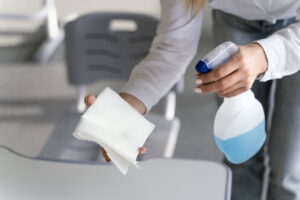
Ensuring childcare center sanitation is not a luxury; it’s a necessity for every daycare provider. Parents trust you to create a safe and hygienic environment, which is why understanding how frequently you should have your daycare professionally cleaned is critical. Regular professional cleaning for daycares reduces germs, prevents infectious disease outbreaks, and confirms children thrive in a healthy setting. Scheduling cleaning too infrequently can compromise both health and compliance, while over-cleaning may waste resources.
Several years ago, the Sunshine Academy in North Phoenix faced recurring stomach bugs among students. Despite daily staff cleaning, children continued to fall ill. After engaging a professional team specializing in commercial cleaning services for childcare, they implemented a structured daycare cleaning schedule. Within weeks, outbreaks decreased dramatically.
This story underscores a critical truth: routine professional care is essential for maintaining a safe and healthy environment.
In this blog, you will learn the optimal frequency of daycare cleaning, the key areas that require attention, costs associated with professional services, and actionable tips to maintain a clean, germ-free childcare environment.
Recommended Daycare Cleaning Schedule Explained in Detail
Understanding how frequently your daycare should be professionally cleaned starts with knowing what tasks need attention and why each is critical. Professional cleaning is not just surface-level; it targets germs, bacteria, and hidden contaminants that children interact with daily. Here’s a breakdown of the key areas and what cleaning frequency works best for each.
1. Play Areas and Classrooms
Play areas are where children spend most of their time. Tables, chairs, mats, and toys are high-touch surfaces, making them prime locations for germs in daycare.
- Daily: Wipe down tables, chairs, and frequently used toys with child-safe disinfectants. This prevents infectious diseases in kids.
- Weekly: Deep clean mats, shelves, and furniture using low-moisture or steam cleaning methods.
- Monthly: Perform a full sanitization of the room, including carpets, soft furniture, and wall corners. This confirms bacterial control in play areas and reduces viral exposure.
2. Bathrooms and Changing Stations
Bathrooms are among the most germ-prone areas in any daycare. Professional cleaning confirms that toilets, sinks, floors, and diaper-changing stations remain sanitary.
- Daily: Clean toilets, sinks, handles, and floors. High-contact areas like door handles and faucet levers should be disinfected multiple times per day.
- Weekly: Scrub walls, partitions, and mop thoroughly to prevent the buildup of bacteria.
- Monthly: Inspect plumbing, perform deep disinfection, and confirm compliance with child safety cleaning protocols.
3. Kitchen and Dining Areas
Areas where food is prepared and served need meticulous care to prevent contamination. Proper cleaning maintains kitchen hygiene in childcare and helps avoid foodborne illness.
- Daily: Wipe down counters, tables, sinks, and food prep equipment. Sweep and mop floors after every meal.
- Weekly: Degrease ovens, refrigerators, and other appliances. Deep clean storage areas and sanitize trash bins.
- Monthly: Conduct a thorough inspection and sanitation of all surfaces, including behind appliances, to prevent bacterial buildup.
4. Nap Areas and Bedding
Children’s nap mats, bedding, and soft toys can harbor bacteria and viruses. Clean linens are critical for virus prevention in preschools.
- Daily: Wipe down surfaces and confirm mats are clean.
- Weekly: Wash and replace bedding. Sanitize mats and soft toys using safe methods.
- Monthly: Rotate mats and conduct deep cleaning or steam sanitation to eliminate any lingering germs.
5. Entrance, Hallways, and Shared Spaces
These areas receive frequent foot traffic and are a common source of cross-contamination.
- Daily: Sweep, mop, and wipe high-touch surfaces like railings and door handles.
- Weekly: Spot clean walls, corners, and windowsills.
- Monthly: Deep clean floors, polish surfaces, and check for dirt accumulation in hidden areas. This confirms routine sanitization for nurseries remains effective throughout the facility.
6. Toys and Shared Materials
Children share toys constantly, making them a key vector for preventing infectious diseases in kids.
- Daily: Quick wipe-down of commonly handled items.
- Weekly: Disinfect all toys, blocks, and manipulatives.
- Monthly: Inspect for wear or damage and perform a full deep-cleaning rotation.
Concise Overview Table
Here’s a clear, non-repetitive table summarizing the recommended daycare cleaning schedule, combining all the detailed guidance above into one snapshot:
| Area | Daily Tasks | Weekly Tasks | Monthly Tasks |
| Play Areas / Classrooms | Wipe tables, chairs, toys | Deep clean mats, furniture, and shelves | Steam clean carpets, sanitize soft surfaces |
| Bathrooms & Changing Stations | Clean toilets, sinks, handles | Scrub walls, partitions, and mop floors | Deep disinfect floors, inspect plumbing |
| Kitchen & Dining | Wipe counters, tables, and sinks | Degrease appliances, clean storage | Full surface sanitation, check behind appliances |
| Nap Areas & Bedding | Wipe mats and surfaces | Wash bedding, sanitize soft toys | Rotate and deep clean mats and linens |
| Entrance, Hallways & Shared Spaces | Sweep, mop, wipe high-touch surfaces | Spot clean walls, corners, windowsills | Deep mop, polish surfaces, check hidden areas |
| Toys & Shared Materials | Quick wipe of high-use toys | Disinfect all toys and manipulatives | Inspect for damage, full deep-clean rotation |
Why Regular Professional Cleaning Is Essential for Daycares
Daycare centers are high-traffic spaces where germs and bacteria multiply quickly. Kids touch toys, surfaces, and each other constantly, making bacterial control in play areas a top priority.
Health risks in unclean daycares include:
- Increased viral infections such as cold, flu, and RSV
- Gastrointestinal illnesses from contaminated surfaces
- Skin infections from shared items
- Allergic reactions from dust or mold accumulation
By implementing professional cleaning for daycares, facilities reduce these risks significantly. Daily surface wiping by staff is helpful, but professional-grade sanitization confirms deeper bacterial and viral elimination.
Routine sanitization for nurseries is not optional; it’s a proactive measure that protects children, staff, and families.
Key Areas That Require Professional Cleaning
To understand how frequently to schedule professional daycare cleaning, it’s important to identify the most critical areas:
1. Play Areas and Classrooms
Children spend most of their day in playrooms where germs thrive. Toys, mats, tables, and chairs require daily disinfecting with child-safe products. Professional cleaners use hospital-grade solutions to confirm thorough virus prevention in preschools and disinfect toys and surfaces.
2. Kitchen and Dining Areas
Food prep and serving zones can harbor bacteria if improperly cleaned. Maintaining strict kitchen hygiene in childcare reduces cross-contamination and prevents foodborne illnesses. Professional cleaners focus on countertops, sinks, appliances, and flooring with specialized equipment.
3. Bathrooms and Changing Stations
High-contact areas like toilets, sinks, diaper-changing stations, and handles require frequent attention. Professional cleaning confirms that child safety cleaning protocols are followed and limits exposure to harmful bacteria.
4. Nap Areas and Bedding
Linens, mats, and soft toys can accumulate germs. Professionals use steam cleaning and sanitizers to maintain routine sanitization for nurseries, which helps prevent infectious disease outbreaks.
5. Entrance, Hallways, and Shared Spaces
Floors, door handles, and other shared touchpoints are cleaned regularly to minimize germs in daycare and maintain a welcoming, hygienic environment.
Factors Affecting Professional Cleaning Frequency
- Child Age and Activities: Younger children and toddlers require more frequent cleaning due to higher germ transmission via touch and mouth.
- Center Size and Occupancy: Larger facilities with more children demand more frequent professional intervention to maintain proper childcare center sanitation.
- Local Health Regulations: Compliance with local daycare licensing rules often mandates certain cleaning frequencies and record-keeping.
- Season and Illness Trends: During flu season or outbreaks, increase routine sanitization for nurseries to protect children and staff.
- Type of Flooring and Materials: Soft surfaces like carpets and mats require steam cleaning more often, while tile and vinyl can be disinfected efficiently with standard methods.
Professional Cleaning Methods Used in Daycares
Professional teams use advanced techniques that exceed routine staff cleaning:
- Eco-Friendly, Low-Moisture Cleaning: Safe for children, reduces harsh chemical exposure.
- Steam Cleaning & Hot Water Extraction: Penetrates deep into carpets, mats, and upholstery.
- Surface Disinfection & UV Sanitization: Eliminates viruses and bacteria effectively
- Scheduled Maintenance Programs: Confirm consistent hygiene based on facility needs.
Tips for Maintaining Daycare Hygiene Between Professional Cleanings
While professional services are essential, day-to-day hygiene by staff supports their efforts:
- Wipe down high-touch surfaces multiple times per day
- Encourage hand washing among children and staff
- Rotate toys and sanitize them regularly
- Maintain kitchen hygiene in childcare with food-safe practices
- Confirm proper ventilation to reduce airborne germs
- Keep cleaning logs to monitor compliance and identify problem areas
Conclusion
The frequency of professional daycare cleaning is a critical factor in maintaining child safety, preventing illness, and ensuring compliance with health standards. A combination of daily, weekly, and monthly professional interventions, modified to your center’s size, age groups, and layout, provides optimal childcare center sanitation and peace of mind for staff and parents. Following a structured daycare cleaning schedule, using professional-grade cleaning methods, and complementing these with staff hygiene practices confirms your daycare remains healthy, safe, and inviting.
Protect children and staff with expert cleaning services. Connect with NorthsideFloorcare today. Keep your daycare spotless, germ-free, and compliant with our professional cleaning services for daycares.