

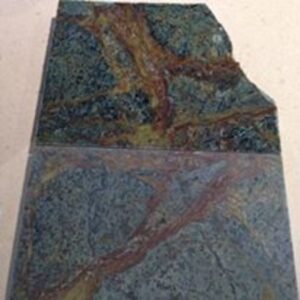
Years ago, many homeowners believed stone floors were indestructible. Builders promoted them as lifetime surfaces that could handle anything. Families installed marble entryways, travertine kitchens, and granite foyers expecting zero maintenance. Months passed, then years, and subtle changes appeared. Dull spots replaced shine, etching marks showed near sinks, and discoloration crept into grout lines. Confusion followed. These floors were supposed to last forever, yet damage appeared without warning.
This is where most homeowners realize that stone beauty comes with responsibility.
Stone flooring adds elegance and long-term value, but it reacts to daily habits, moisture, cleaners, and foot traffic. Understanding why these surfaces change is the key to protecting them. In this guide, you will learn the kinds of stone flooring, how each stone behaves, what makes it sensitive, and how to care for it correctly so it lasts decades instead of years.
Benefits and Considerations of Natural Stone Flooring
Benefits of Choosing Natural Stone Floors
One of the most compelling reasons homeowners choose natural stone flooring is longevity. When properly cared for, stone can last decades, often outliving the structure itself. Unlike vinyl or laminate, stone does not wear through easily or lose its visual depth.
Additional benefits include
- Timeless aesthetic appeal that does not follow trends
- Natural cooling properties, ideal for warm climates
- Increased resale value for homes
- Compatibility with radiant heating systems
Natural stone floors also offer environmental advantages. Because stone is quarried and minimally processed, it does not rely heavily on synthetic materials or chemical manufacturing.
Considerations Before Installing Stone Flooring
Despite its durability, stone is not maintenance-free. Each stone type reacts differently to spills, moisture, and foot traffic. Some stones absorb liquids quickly, while others resist staining but scratch more easily.
Important considerations include
- Porosity and sealing frequency
- Sensitivity to acidic substances
- Proper cleaning techniques
- Suitability for specific rooms
Selecting the best stone for flooring depends on lifestyle, household traffic, and willingness to follow maintenance guidelines.
Understanding the kinds of stone flooring helps prevent costly mistakes. Below is a detailed breakdown of the most common options found in homes and facilities.
Comparison Table of Common Stone Flooring Kinds
| Stone Type | Durability | Sensitivity | Best Use Areas |
| Terrazzo | High | Low | Commercial and modern homes |
| Granite | Very High | Low | Kitchens and entryways |
| Marble | Medium | High | Bathrooms and low-traffic areas |
| Travertine | Medium | Medium | Living areas and patios |
| Slate | High | Low | Outdoor and wet areas |
| Limestone | Low to Medium | High | Decorative and low-traffic spaces |
Terrazzo Flooring
Terrazzo flooring is a composite surface created by embedding marble, granite, or quartz chips into cement or epoxy. It is known for durability and a smooth, polished appearance, making it popular in both residential and commercial spaces.
Key Characteristics of Terrazzo Flooring
- Extremely durable and long-lasting
- Smooth, seamless surface when polished
- Low porosity compared to many natural stones.
- Available in many colors and pattern variations
- Can lose shine without routine maintenance
Care and Maintenance Guide for Terrazzo Flooring
- Sweep or dust mop daily to remove abrasive dirt
- Damp mop using a pH-neutral stone cleaner
- Avoid acidic or high-alkaline cleaning products.
- Never use abrasive pads or stiff brushes.
- Reseal periodically to protect the surface.
- Schedule professional polishing to restore gloss.
Using pH-neutral cleaners and avoiding harsh chemicals helps maintain stone integrity while protecting indoor air quality, as recommended by the EPA.
Granite Flooring
Marble is a metamorphic stone prized for its elegance and natural veining. While visually stunning, it is one of the most delicate stone flooring options.
Key Characteristics of Granite Flooring
- Extremely hard and scratch-resistant
- Performs well in high-traffic areas
- Naturally resistant to moisture when sealed.
- Tolerates temperature changes
- Can be damaged by chelating agents in cleaners
Care and Maintenance Guide for Granite Flooring
- Wipe spills immediately to prevent staining
- Clean using microfiber mops or soft cloths
- Use only pH-neutral stone cleaning solutions.
- Avoid bleach, ammonia, or acidic cleaners.
- Reseal every one to two years.
- Arrange periodic professional cleaning for buildup removal.
Marble Flooring
Marble is a metamorphic stone prized for its natural veining and elegance. While beautiful, it requires careful handling and maintenance.
Key Characteristics of Marble Flooring
- Soft surface that scratches easily
- Highly porous without proper sealing
- Reacts quickly to acidic substances
- Susceptible to etching and dull spots
- Best suited for low-traffic areas
Care and Maintenance Guide for Marble Flooring
- Dust mop daily to remove grit
- Clean using a pH-neutral stone cleaner
- Blot spills immediately, never wipe
- Avoid vinegar, citrus, or acidic products.
- Reseal regularly to prevent absorption.
- Use professional services for deep cleaning and polishing
Travertine Flooring
Travertine is a type of limestone formed near hot springs. It is recognized for its natural texture and earth-toned appearance.
Key Characteristics of Travertine Flooring
- Naturally porous with visible holes
- Softer than granite but harder than marble
- Provides a rustic, textured look
- Sensitive to acidic cleaners
- Requires frequent sealing
Care and Maintenance Guide for Travertine Flooring
- Sweep daily to prevent surface scratching
- Use only stone-safe, neutral cleaners.
- Fill holes and voids professionally when needed.
- Avoid acidic spills such as wine or juice.
- Reseal more often in high-traffic areas.
- Schedule professional deep cleaning annually.
Slate Flooring
Slate is a fine-grained metamorphic stone known for its durability and rich, dark tones. It is often used indoors and outdoors.
Key Characteristics of Slate Flooring
- Dense and durable surface
- Naturally slip-resistant texture
- Resistant to acids but not chelating agents
- Minimal polishing required
- Can develop surface residue over time
Care and Maintenance Guide for Slate Flooring
- Dry mop frequently to remove debris.
- Clean with mild, pH-neutral stone products
- Avoid cleaners containing chelating agents.
- Rinse thoroughly to prevent residue buildup.
- Seal to enhance color and protect the surface.
- Professional cleaning helps maintain the natural finish.
Limestone Flooring
Limestone is a sedimentary stone composed of natural minerals and fossil fragments. It offers a soft, classic appearance but requires attentive care.
Key Characteristics of Limestone Flooring
- Softer and more porous than many stones
- Often contains a visible fossil imprint.s
- Highly sensitive to acidic substances
- Prone to scratching and wear
- Best suited for low to moderate traffic areas
Care and Maintenance Guide for Limestone Flooring
- Dust mop daily to remove abrasive particles.
- Use only pH-neutral stone cleaners.
- Never use vinegar, lemon, or acidic products.
- Reseal frequently to prevent staining.
- Avoid dragging furniture across the surface.
- Annual professional deep cleaning is recommended.
Why Professional Care Matters for Stone Floors
Preventing Natural Stone Floor Vulnerability
Professional care helps reduce natural stone floor vulnerability by removing abrasive debris that slowly weakens the surface. Without expert treatment, grit trapped in pores causes erosion that regular cleaning cannot stop.
Protecting Long-Term Natural Stone Durability
Consistent professional service supports natural stone durability by preserving structural strength and surface integrity. Correct methods prevent micro-cracks that often form when improper cleaners or tools are used.
Specialized Solutions for Marble and Travertine
Because of marble floor sensitivity, professionals avoid acidic products that cause etching. Proper travertine flooring care includes filling voids, controlling moisture exposure, and maintaining even surface texture.
Sealing and Shielding Granite and Limestone
Expert granite floor protection strengthens resistance to stains and wear. Following proven limestone flooring tips, professionals apply sealers evenly, ensuring balanced absorption and long-lasting surface defense.
Industry life‑cycle assessments indicate that natural stone flooring can match the service life of a building (around 75 years or more) when properly maintained, making it a long‑term investment for homes and commercial spaces.
FAQs
Is natural stone flooring more sensitive than other floor types?
Yes, natural stone flooring reacts to moisture, acids, and abrasion more than synthetic floors. Its organic structure makes proper care essential to prevent surface damage.
What are the first signs of natural stone damage?
Early signs include dull spots, etching, uneven color, or rough texture. These indicate natural stone floor vulnerability and often signal worn sealant or improper cleaning.
Does sealing really improve natural stone durability?
Sealing creates a protective barrier that limits moisture absorption and staining. While it does not make stone indestructible, it significantly improves natural stone durability when combined with correct maintenance.
Why is marble more sensitive than granite?
Marble floor sensitivity is higher because marble is softer and more porous. Granite is denser, making it more resistant to scratches and acids, though it still requires care.
How often should stone flooring be professionally cleaned?
Most homes benefit from professional care once a year. High traffic areas may need more frequent service to maintain proper stone flooring maintenance and appearance.
Can daily cleaning harm stone floors?
Yes, using the wrong products can cause long-term damage. Acidic or abrasive cleaners weaken the surface and accelerate wear, especially on limestone and travertine.
Is natural stone flooring good for homes with pets?
It can be, with precautions. Regular cleaning, quick spill response, and sealing help protect the surface and support long-term performance in active households.
Conclusion
Natural stone flooring is both beautiful and durable, but it is also sensitive to how it is cleaned, sealed, and maintained. Understanding its vulnerabilities allows homeowners to protect their investment, prevent damage, and enjoy long-lasting elegance. With the right care routine and professional support, stone floors remain a strong and valuable feature in any home.
Schedule expert care today with Northside Floor Care and protect your stone floors the right way. Visit northsidefloorcare to request professional service and keep your natural stone flooring at its best.